
Migration - Uganda
Country Profile
The overarching objective of the Netherlands is, in line with the Global Compact on Refugees (GCR) principle of responsibility sharing, to support the Government of Uganda (GoU) towards a sustainable and inclusive refugee response, enabling Uganda to uphold her progressive refugee policy.
We strive to improve protection and access to basic services by systems strengthening in the respective sectors; and ensuring that refugees and their host communities are socially and economically empowered. In addition to this, efforts to increase peaceful co-existence/social cohesion between refugees & host communities.
Mental Health and Psychosocial Support (MHPSS) as well as the increased capacity of local actors (refugee-led and community based organisations) remains important.
PROSPECTS partnership
PROSPECTS is an international partnership programme spearheaded by the Netherlands for improving the hosting and protection of refugees in countries in their region of origin.
It is implemented in Uganda, Iraq, Jordan, Lebanon, Egypt, Kenya, Sudan and Ethiopia. It brings together the Netherlands Ministry of Foreign Affairs, International Finance Corporation (IFC), International Labour Organisation (ILO), United Nations High Commissioner for Refugees (UNHCR), United Nations Children’s Fund (UNICEF) and the World Bank.
In Uganda, the partnership aims to enhance socio-economic inclusion and self-reliance of refugees, by working on the following four pillars:
- Education and Learning: aiming at improving access to inclusive, quality education, skills and learning opportunities.
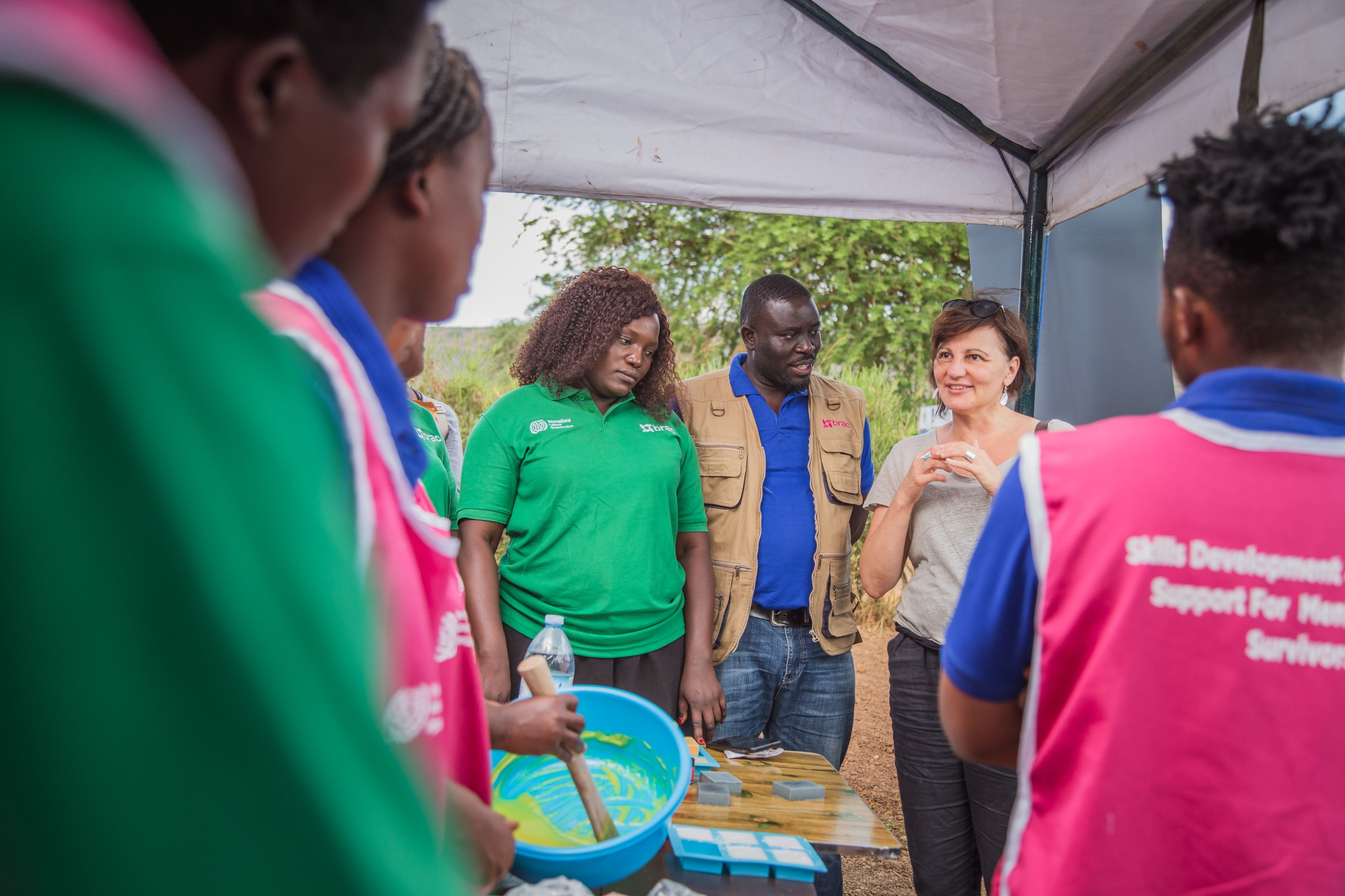
- Economic Inclusion (Enabling market systems): improving livelihoods and expanding economic opportunities in refugee hosting districts by strengthening access to entrepreneurship and providing employment with dignity.
- Protection, Social Protection and Inclusion: sustained, inclusive and protective policy framework, strengthened asylum system and documentation, as well as inclusive national GBV and child protection systems.
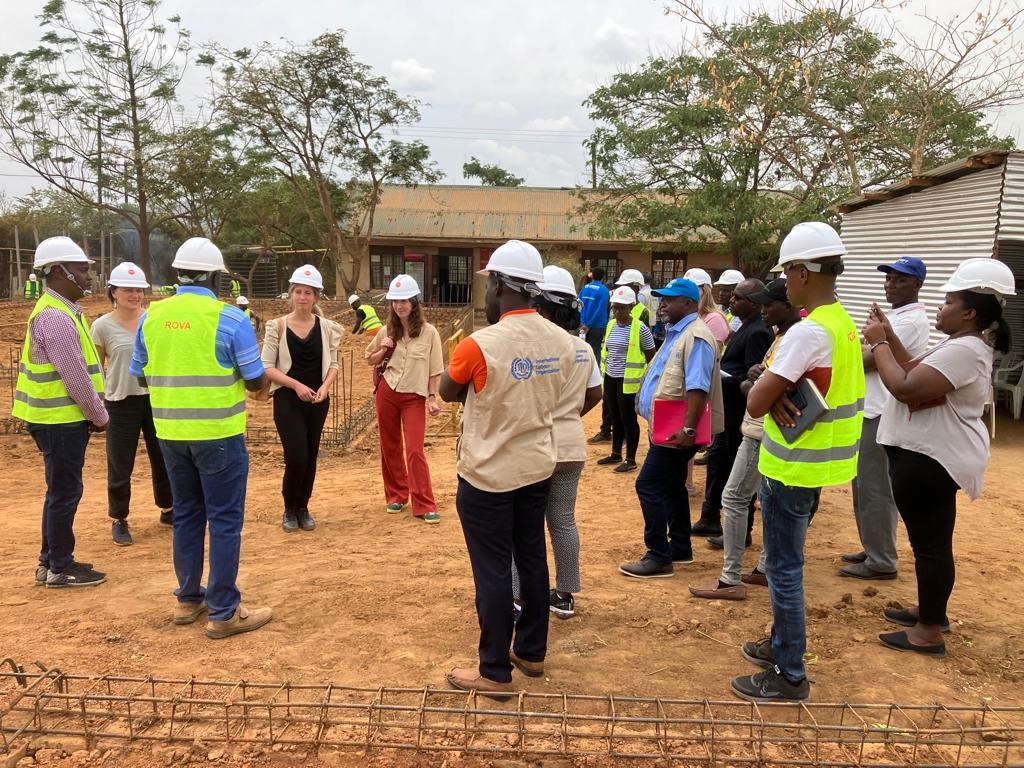
- Critical Infrastructure: with a focus on addressing key planning and investment needs in the water and sanitation sector and in digitalization/digitization of social services.
By bringing together humanitarian and development actors to leverage comparative advantages, improve coordination and efficiency to boost the overall impact for refugees and host communities, this partnership puts the humanitarian-development-peace nexus into practice. The partners jointly design, develop and implement different programmes and projects in Nakivale, Kampala, Imvepi and Rhino Camp refugee settlements.
Strengthening Refugee Host Relations through Enhanced Protection
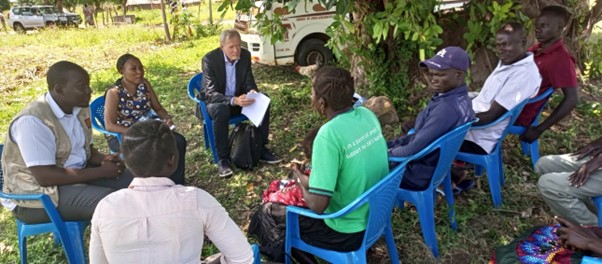
It works on:
- Access to justice for refugees and building the capacity of relevant rule of law stakeholders;
- Improved access to professional services for profound war-related, gendered harms experienced by refugees and host communities;
- Enhanced Mental Health and Livelihood for Refugees and hosts to reduce dependency and enable refugees and hosts to contribute to national development;
- Promoting peaceful co-existence in and around refugee hosting areas; and
- Advocacy and lobby by increasing influence in refugee-related policies on a national, regional and international level.
Localisation Initiative

The Dutch Ministry of Foreign Affairs funds localisation and migration frameworks in Uganda partnering with international and local actors War Child, Woord en Daad, and Independent Diplomat to shift leadership, decision-making power, and resources to local and refugee-led organizations. These three organizations support local and refugee-led organizations to organize themselves more effectively and become a sustainable actor in the refugee response in promoting the protection of refugees, access to education and training as well as promoting economic development and job opportunities.
They work with the respective in-country partners to achieve better outcomes through direct funding, capacity strengthening, and meaningful participation. Their approach emphasizes equitable collaboration.