
Climate - New Zealand

Bilateral cooperation
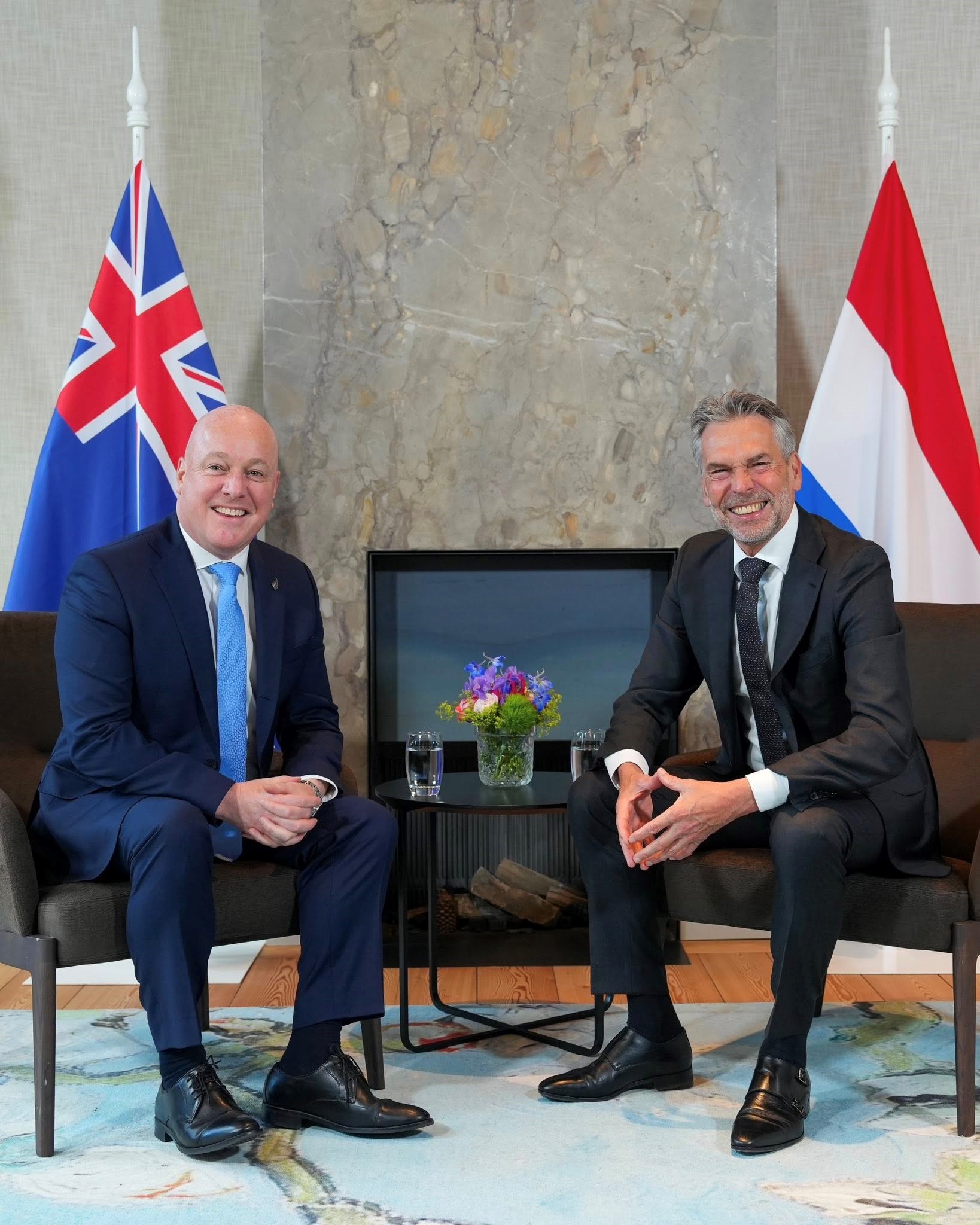
Despite being on opposite sides of the globe, the Netherlands and New Zealand share similar challenges in many areas, including climate change and anthropogenic global warming. In multilateral forums such as UNFCCC (COP), the Netherlands and New Zealand work together. The Netherlands is also an advocate for access to climate finance for Small Island Developing States (SIDS). In the South Pacific, incl. Samoa and Kiribati, the Netherlands supports organisations working on water management and adaptation.
In 2025, the Netherlands and New Zealand renewed a joint cooperation statement which includes many areas of cooperation, including climate change. Both our countries recognize that climate change is a challenge we all face, and we are committed to creating a long term vision. Through green innovation and collaboration, we can transform challenges into economic opportunities.
Mitigation: Reducing emissions across sectors
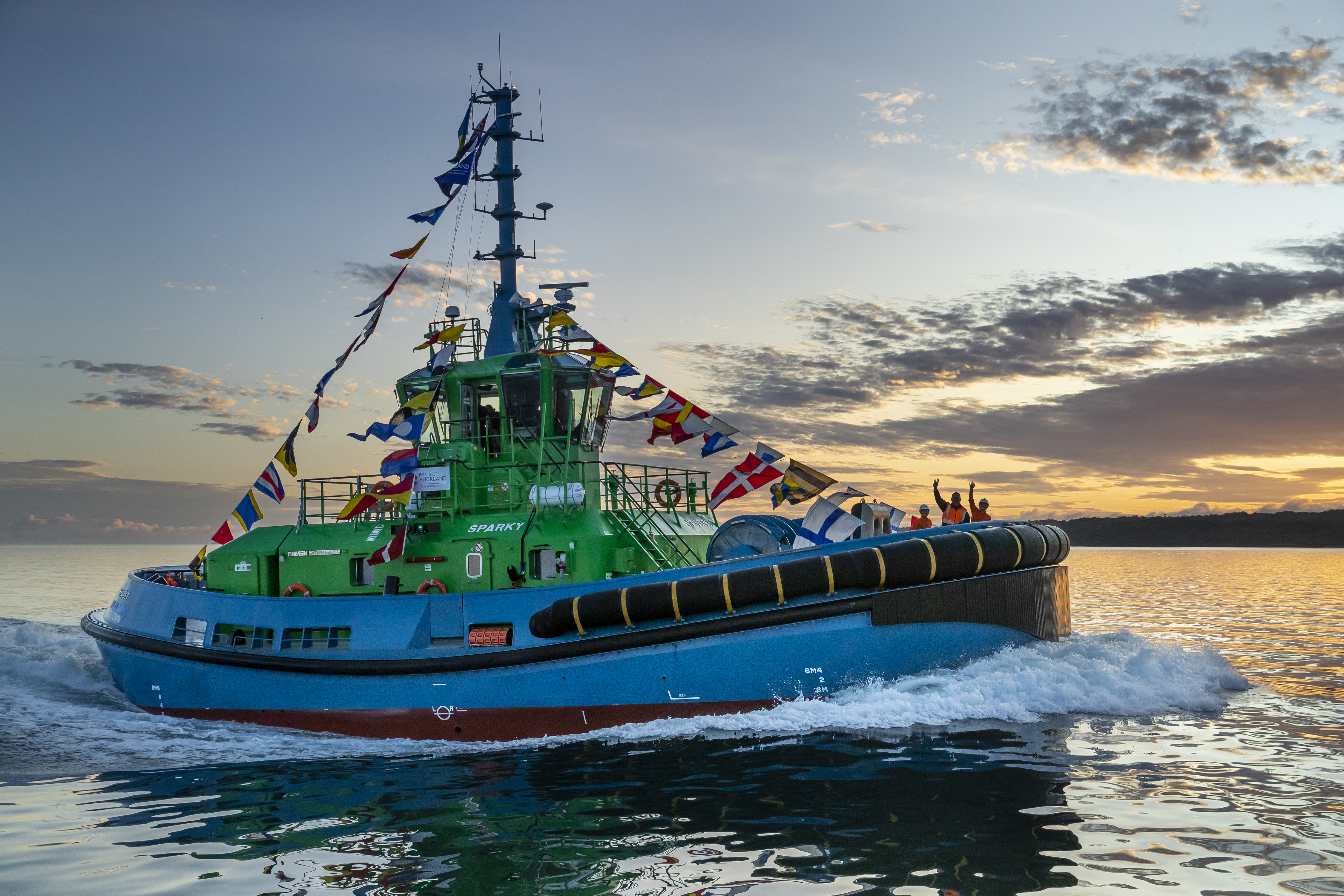
Across sectors, our countries partner up in climate-smart solutions and technology. Some examples from recent years include:
- Transport: Sparky, the world’s first fully electric tugboat made by DAMEN can be found in Auckland Port. There are also six electric tractors in New Zealand, four of which come from Dutch companies;
- Agriculture: The Netherlands and New Zealand are both active members of the Global Research Alliance on Agricultural Greenhouse Gases;
- Energy: Our countries promote partnerships in the field of renewable energy is critical to the green transition, and to meeting our countries’ 2050 net zero climate targets.
Adaptation: Protecting livelihoods and infrastructure
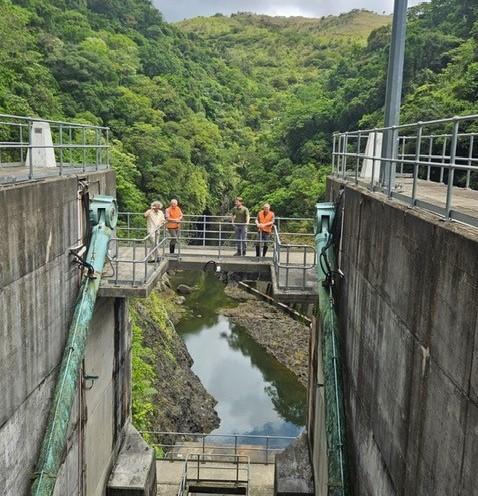
Climate adaptation is an important topic for the Netherlands. Together with our partners in the Pacific, including New Zealand, we can find innovative solutions to create resilient infrastructure and equip our societies to deal with global warming and extreme weather events. Examples from recent years include:
- Royal Haskoning DHV works on protecting one of New Zealand’s most vulnerable coastlines in Coromandel and Deltares has been involved in various consultancy and advisory projects in other parts of the country;
- In 2023, the Dutch Delta Commission advised Dunedin City Council on their South Dunedin Future Programme;
- In Fiji, The RVO programme Disaster Risk Reduction and Surge Support – (DRRS), is helping to reduce the risk of flooding of the Ba River.
Scientific Cooperation

When it comes to scientific cooperation, the most sustainable university in the world is located in the Netherlands. Wageningen University & Research focuses, among other things, on food security and technology.
WUR has had a longstanding collaboration and an MoU with Massey University, exchanging knowledge, students and innovation in the field of sustainable agriculture and forestry.
Working with the Netherlands on Climate
The Embassy of the Kingdom of the Netherlands in New Zealand and the Pacific supports partnerships in climate. We connect local stakeholders with Dutch companies, knowledge institutions, and government partners to co-develop sustainable climate solutions.
Through innovation and cooperation we strive to solve the great challenges of our time.
Are you interested to learn more? Contact our team in Wellington here.