
Ambassador Carl Peersman - Latvia
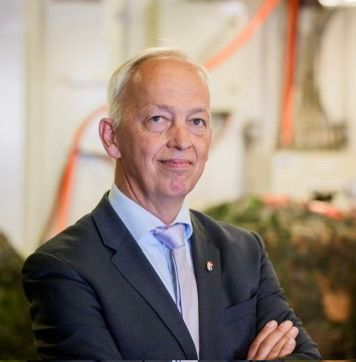
Carl Peersman
Carl Peersman has been ambassador of the Kingdom of the Netherlands to Latvia since 2025.
For more information about the Ambassador, see Rijksoverheid.nl (in Dutch).
What are your main tasks as Ambassador to Latvia? What do you hope to achieve?
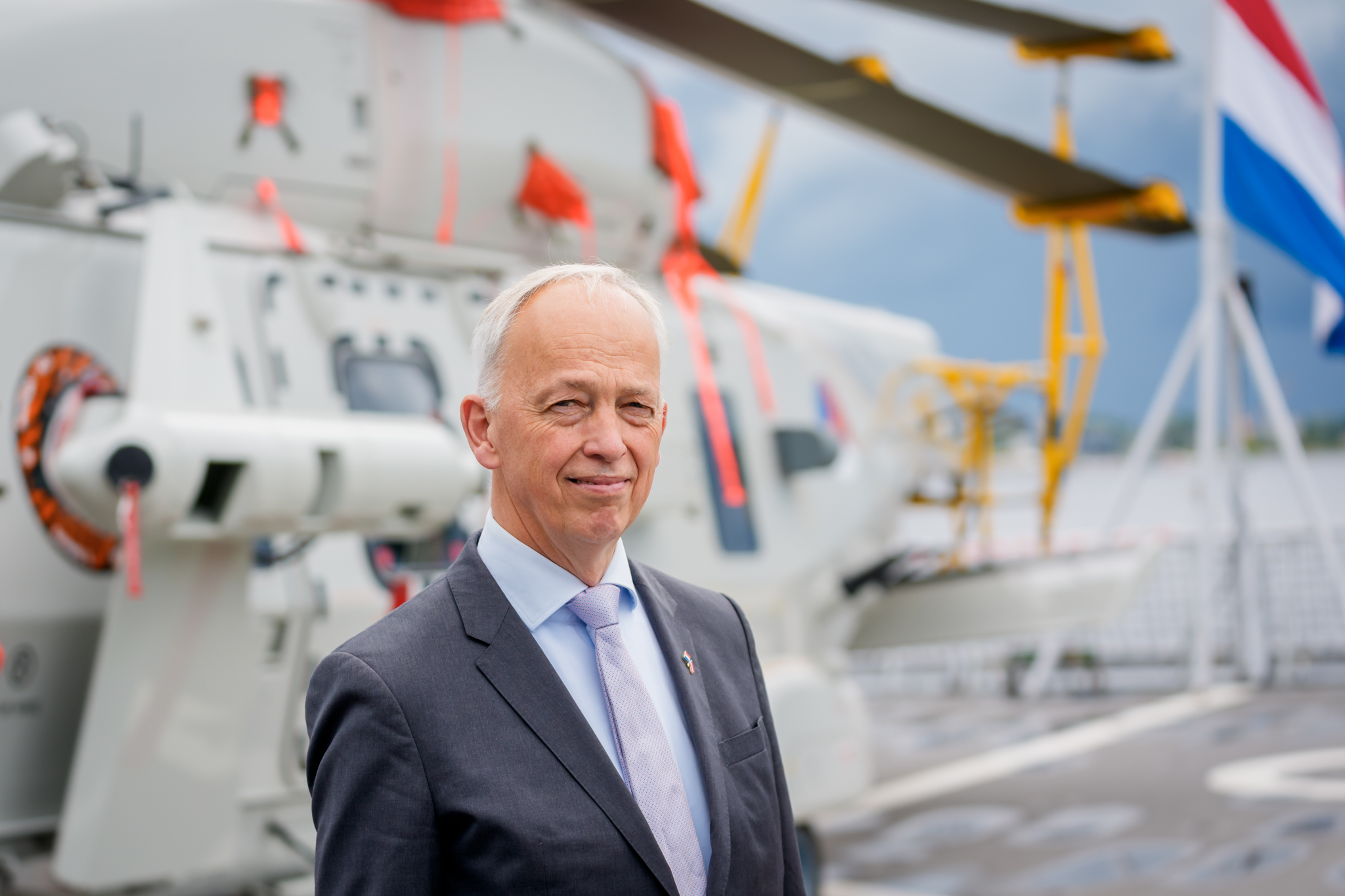
‘I represent the interests and points of view of the Netherlands to the Latvian government, nation and society in general. Also, I report to my government about all topics of interest in Latvia. And I try to “explain” Latvia to the visitors from the Netherlands of all walks of life. This concerns Dutch businesses, NGOs, and individuals. Last but not least, the Embassy is here to help the Dutch citizens in Latvia with consular services, too.
The relations between the Netherlands and Latvia are already friendly, and there is not much to improve. But, of course, the relationship between people is like a garden — you have to maintain it and “plant” new ideas and initiatives.’
How have the relations between the Netherlands and Latvia evolved over the years?
‘Latvia is a relatively young state – the statehood doesn’t go back as long as the Netherlands. The official diplomatic ties started in 1921, but when it comes to cultural and economic ties, we go way back. It is safe to say we share a common history which is older than 800 years. Towns in the Netherlands and Latvia were together in the Hanseatic League. A common trading and maritime relationship was born from this. For instance, there are paintings by Dutch and Flemish masters from the Golden Age in Riga Bourse (Rīgas Birža). There is also a Dutch “herberg” (inn) in Liepāja that is now a museum called “Madame Hoyer's Guest House”. I travelled there, it was heart-warming to see how that heritage has been cherished and maintained.
Throughout history, we have maintained good relations with this part of the world. Culturally, we feel that we are all in one big Northern European space with Latvia connected by sea.’
What are the most important topics the Embassy works on? What are the priorities for the Netherlands?
‘The Embassy is the executive branch of the Netherlands Government policy. For the Netherlands government, security is a top priority in the Baltic region. Both the Netherlands and Latvia are investing in defence and security due to the geostrategic challenges put by Russia’s aggressive behaviour. The Russian war in Ukraine is a concern for both our countries, as well as to the whole of Europe and the world.
The Netherlands participate in NATO missions and operations in the Baltics as part of the East Flank of NATO, but also for other missions and operations like BALTOPS (exercises in the Baltic Sea) and Baltic Air Policing. Moreover, the Netherlands has been a contributing nation to the NATO enhanced Forward Presence with troops stationed in Lithuania. Of course, we hope to return to a situation in which international order and law are maintained and not threatened as they are now.
We will also continue to work on more cooperation with Latvia in defence industries. An example of this is our participation with a large delegation of more than 40 companies in the Drone Summit in Riga last year, which we hope to repeat in 2026.’
How do you see the economic ties and opportunities ahead?
‘We put emphasis on renewable energy, in particular, wind energy. For example, both Latvia and the Netherlands have a continental shelf on which it is possible to develop offshore wind energy. The Netherlands are willing to share our expertise and experience with Latvia to come to mutually beneficial enterprises.
On more traditional sectors of the economy, Latvia is one of the most forested countries in Europe. This gives opportunity for durable forestry. The Netherlands also remains interested in traditional sectors like agriculture and food technology, but we also keep following new developments such as AI.’
What makes Latvia attractive to Dutch businesses?
‘Latvia has skilled labour and relatively low labour cost, which gives Latvia a competitive edge. One thing I tell visiting Dutchmen is, “It is true that purchasing power of the average Dutchman is approximately twice as big as Latvian. However, the wealth of Latvians is that per capita each Latvian has 15 times more space.”
This also relates to economic possibilities the country has — it is easier to test drones in Latvia than in the Netherlands, because they have the infrastructure and experts, but also the space. In 2025, both the Latvian and Dutch economies were growing and still have perspective for growth in 2026 despite the current geopolitical situation.’
There is also a growing student mobility between the two countries. How do you see the cooperation in education?
‘Scientific and educational relations are important, because we have students from the Netherlands in Latvia studying veterinary medicine, dentistry, medicine and business studies. And the other way around, there are a lot of Latvian students in the Netherlands, studying humanities, technology, design, art, business and other studies. We hope that one day these students will return and help develop Latvia even more.’
What do you like about Latvia?
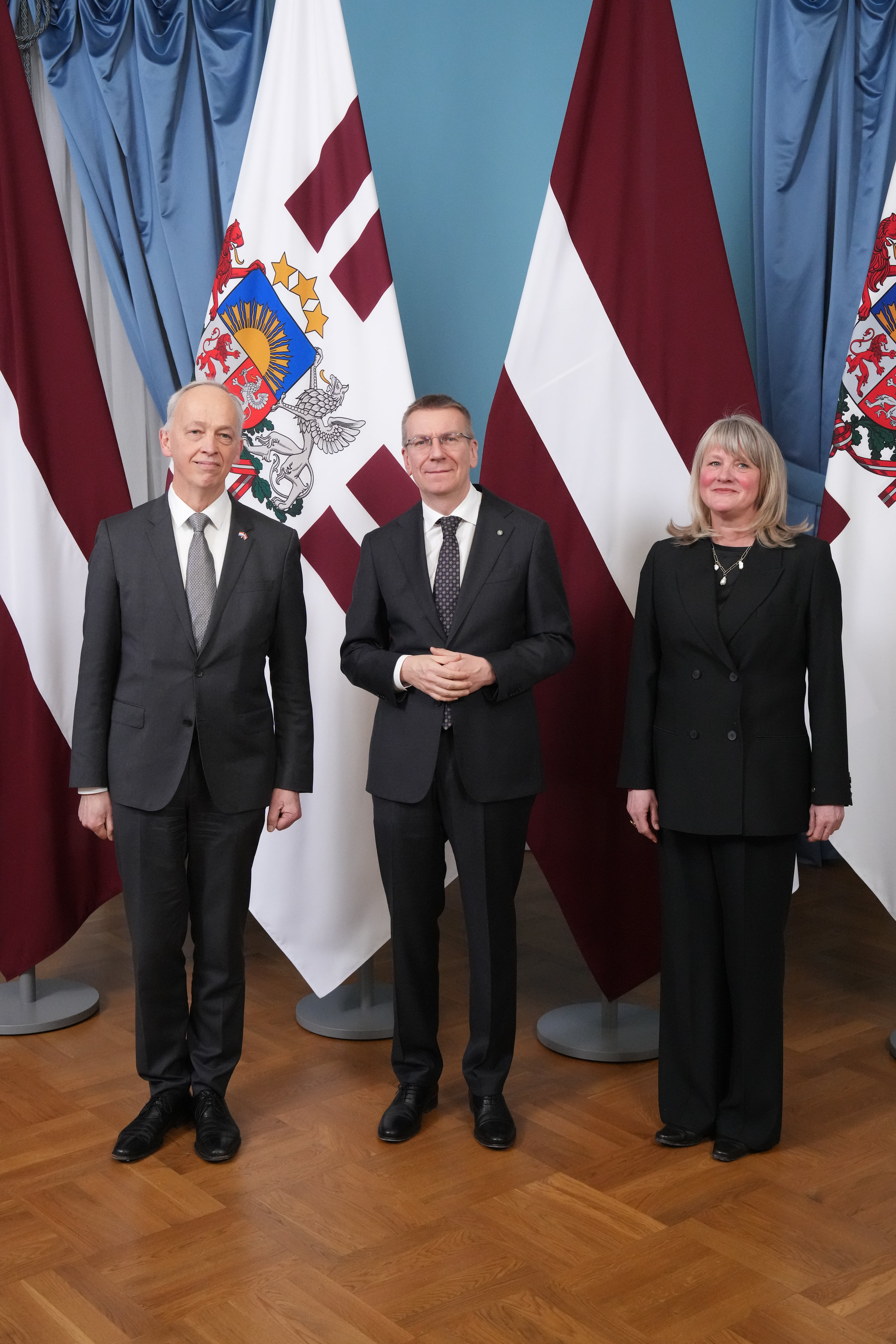
‘My wife and I enjoy the tranquillity and nature that we don’t have as much of in the Netherlands. The natural landscape is unique because of the vast forest areas, rivers, lakes and magnificent beaches both in the summer and in the winter. Where the nature of the land meets the nature of the sea. It is splendid to walk there and to enjoy the quiet, fresh air and the views. Local food is enriching and simple, but well made. My favourites are potato pancakes, smoked fish and rural dishes.
When it comes to culture, we were struck by the level of cultural life in Latvia, considering its relatively small population to other European nations. Performing arts, painting, sculpture, creativity, applied arts, design – Latvia cherishes all its cultural traditions and there is elegant synthesis of that, for instance, in simple things like winter mittens. There is a lot of knitting in this country! The Latvian soul can be seen in the traditional folklore, costume, and the Latvian Song and Dance Festival.
When things were dire during oppression, these traditions and songs kept the national spirit alive with stories like “Lāčplēsis” and folk wisdom which is captured in folk verses (tautasdziesmas).’
Is there anything that surprised you during your time here?
‘The first time I came to Latvia was in 1991, after the dissolution of the USSR. It was clear that this period had left a deep trauma on the country, because Latvia had to deal with the consequences of being occupied for such a long time. Coming back now, 35 years later, the transformation is amazing and unbelievable. This change brings a hopeful message that change for the better is possible in humanity. Latvia is a free and democratic country, and I think this is human development in a way that you want it.
Today, Latvia is a frontline state. To keep that frontline safe, it is also in the interest of a country like the Netherlands, which is further away, to keep supporting Latvia, because it is our common duty to remain vigilant and act responsibly.’