Energy Transition and Sustainability - Japan-en
The world is facing complex social and environmental challenges. We have to make our energy supply and economy sustainable. To make this change, Dutch and Japanese companies, local governments and researchers are working closely together. Both countries embraced the ambition to become carbon neutral countries by 2050.

Let's connect
Building a Circular Future
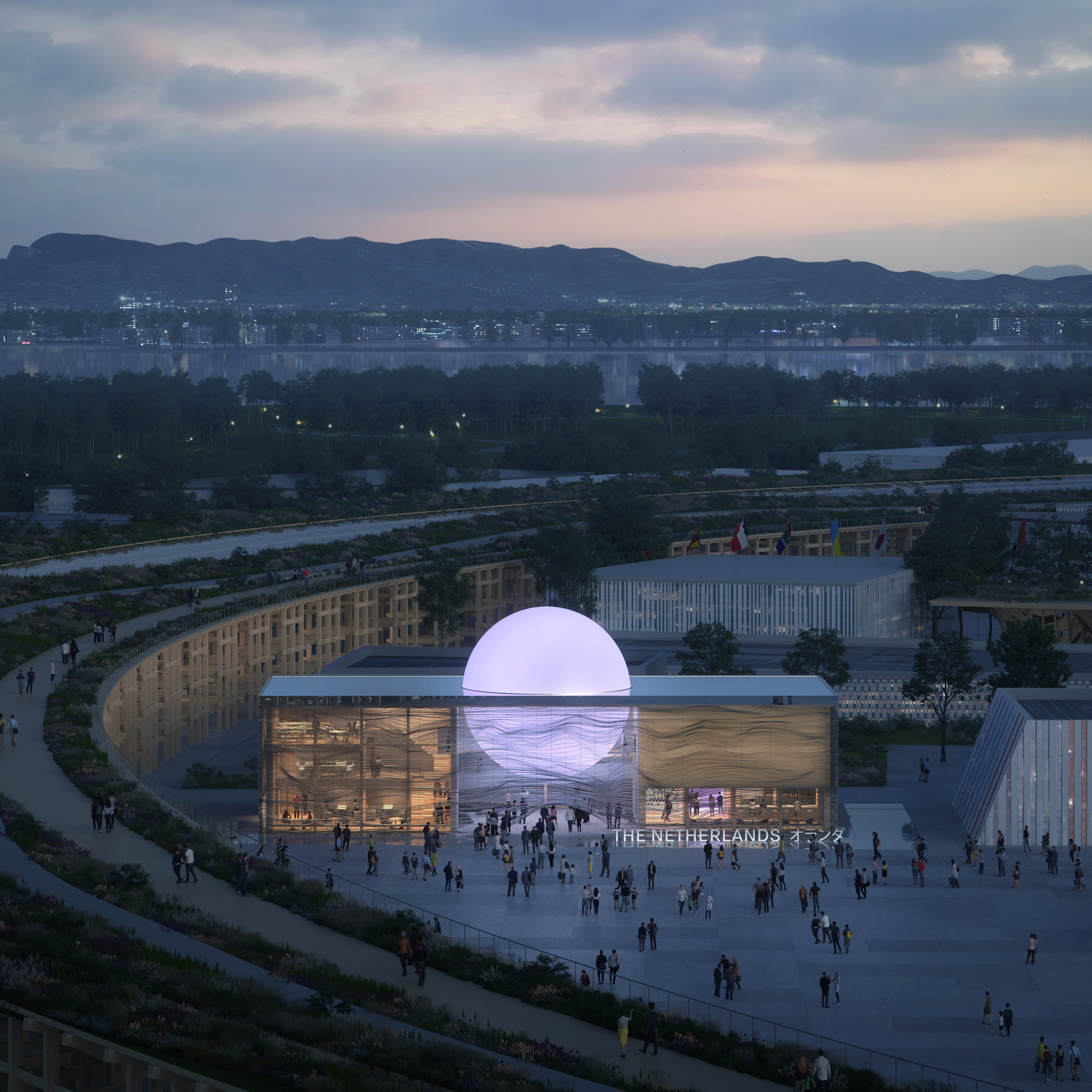
Global demand for products and raw materials is accelerating despite the planet's boundaries. As the Dutch economy aims to become fully circular by 2050, the Netherlands Pavilion at Expo 2025 Osaka, Kansai showcased Dutch circular building practices by designing the pavilion for disassembly and assigning a unique number to each material for future reconstruction.
These initiatives were made possible through close collaboration between companies from the Netherlands and Japan, resulting in greater awareness of sustainable furniture, construction materials, and the reuse and upcycling of products beyond Expo 2025.
For more information on the Dutch vision on circularity, go to NLPlatform.
Aquifer Thermal Energy Storage (ATES)
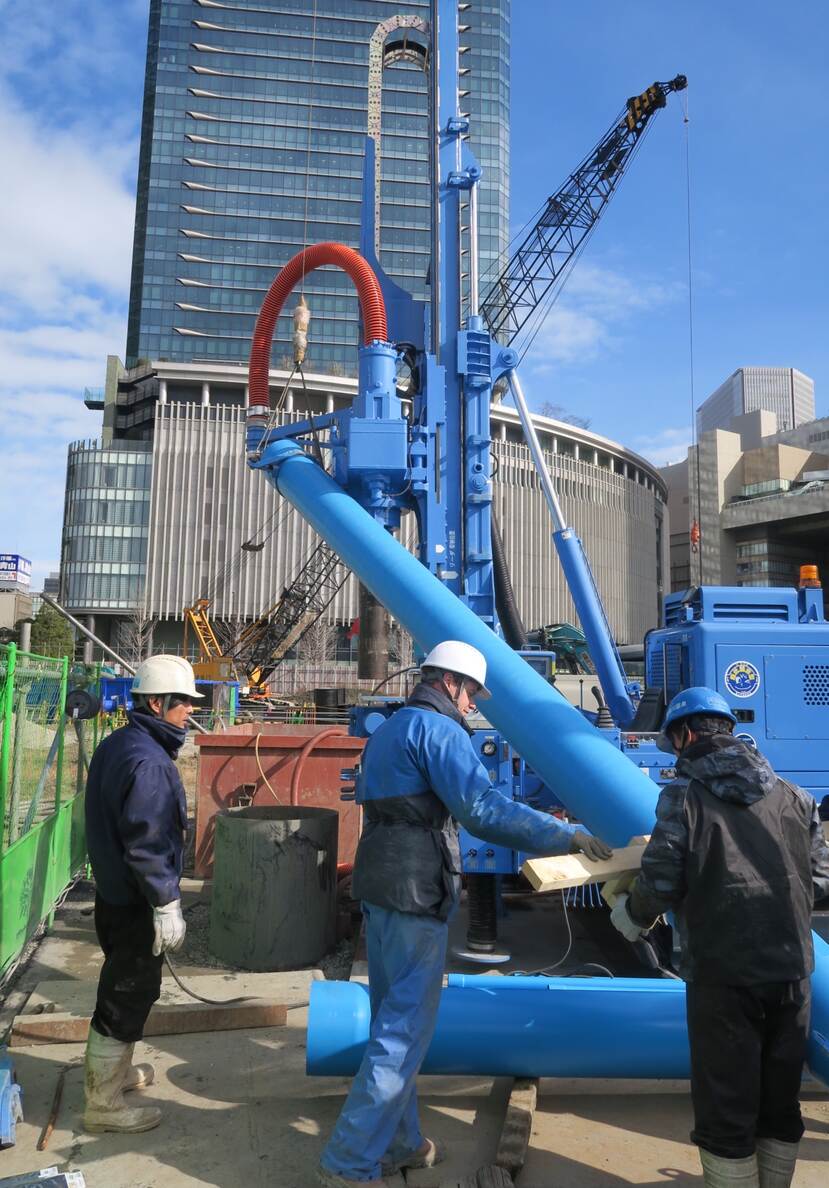
With over 3,000 operational systems in the Netherlands, Aquifer Thermal Energy Storage (ATES) is entering a full-scale implementation phase in Japan.
Building on the 2023 Memorandum of Understanding (MoU) signed by the Netherlands Consulate General in Osaka, Osaka City, and Osaka Metropolitan University, ATES has been successfully integrated into the Expo 2025 Osaka, Kansai venue and Grand Green Osaka. An ATES system for an industrial plant has also been launched in Aichi Prefecture.
By significantly reducing energy consumption for climate control, ATES offers a transformative solution and a promising renewable energy option, supporting Japan's goal of achieving carbon neutrality by 2050.
Offshore Wind Energy
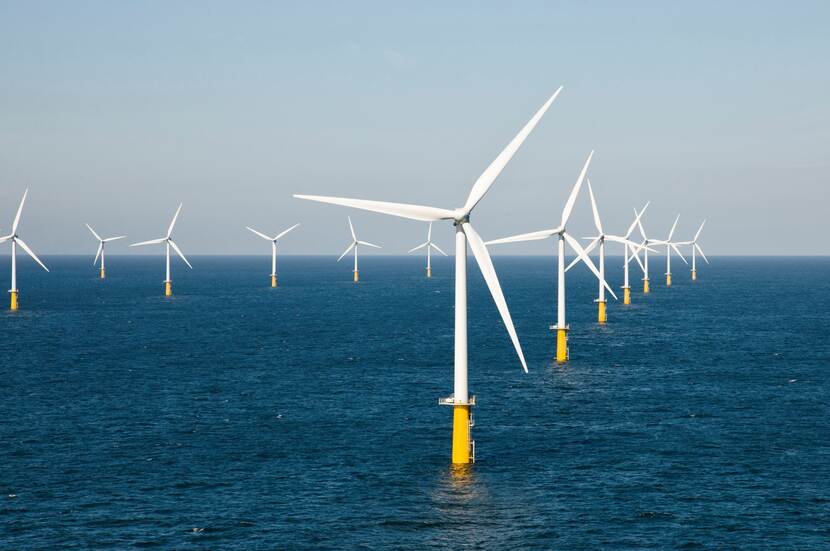
As one of the global leaders in offshore wind, the Netherlands is well positioned to collaborate with Japan in advancing sustainable and resilient energy systems. The Netherlands currently has around 4.7 GW of operational offshore wind capacity in the North Sea and plans to expand this to 21 GW by 2032 and 30–40 GW by 2040. Japan currently has less than 1 GW of operational offshore wind capacity but has a similarly ambitious target of 30–45 GW by 2040, with up to 15 GW expected to come from floating offshore wind.
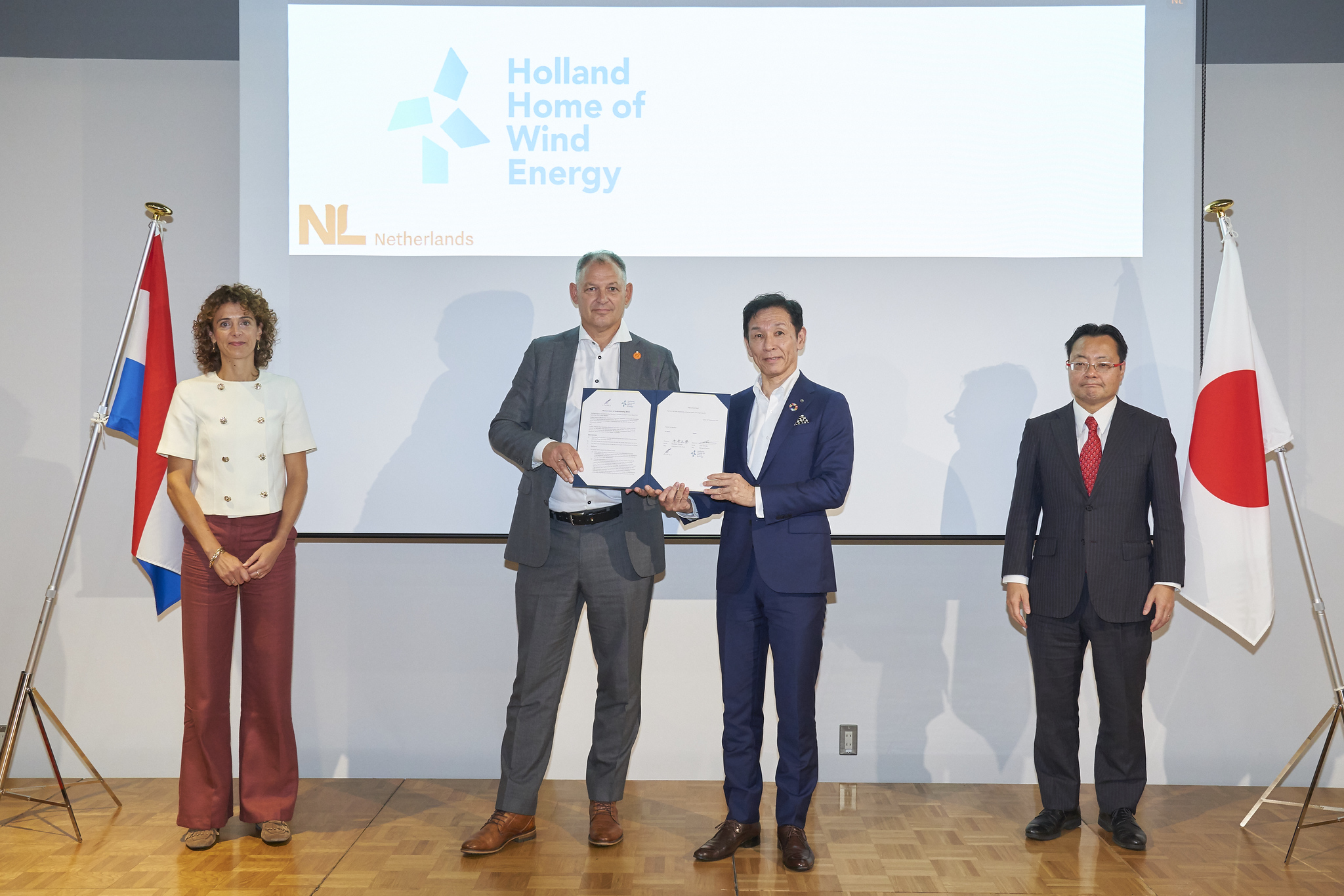
A key milestone in this collaboration is the signing of a Memorandum of Understanding between Japan's Floating Offshore Wind Technology Research Association (FLOWRA) and Holland Home of Wind Energy (now Maritime & Offshore NL) during Expo 2025 Osaka, Kansai, strengthening Dutch-Japanese cooperation and accelerating innovation and deployment of offshore wind technologies.
Mitsubishi, Chubu and Eneco jointly invest in sustainable energy
Renewable Polymers by Avantium