
Our focus - Netherlands Innovation Network
Optical systems and integrated photonics
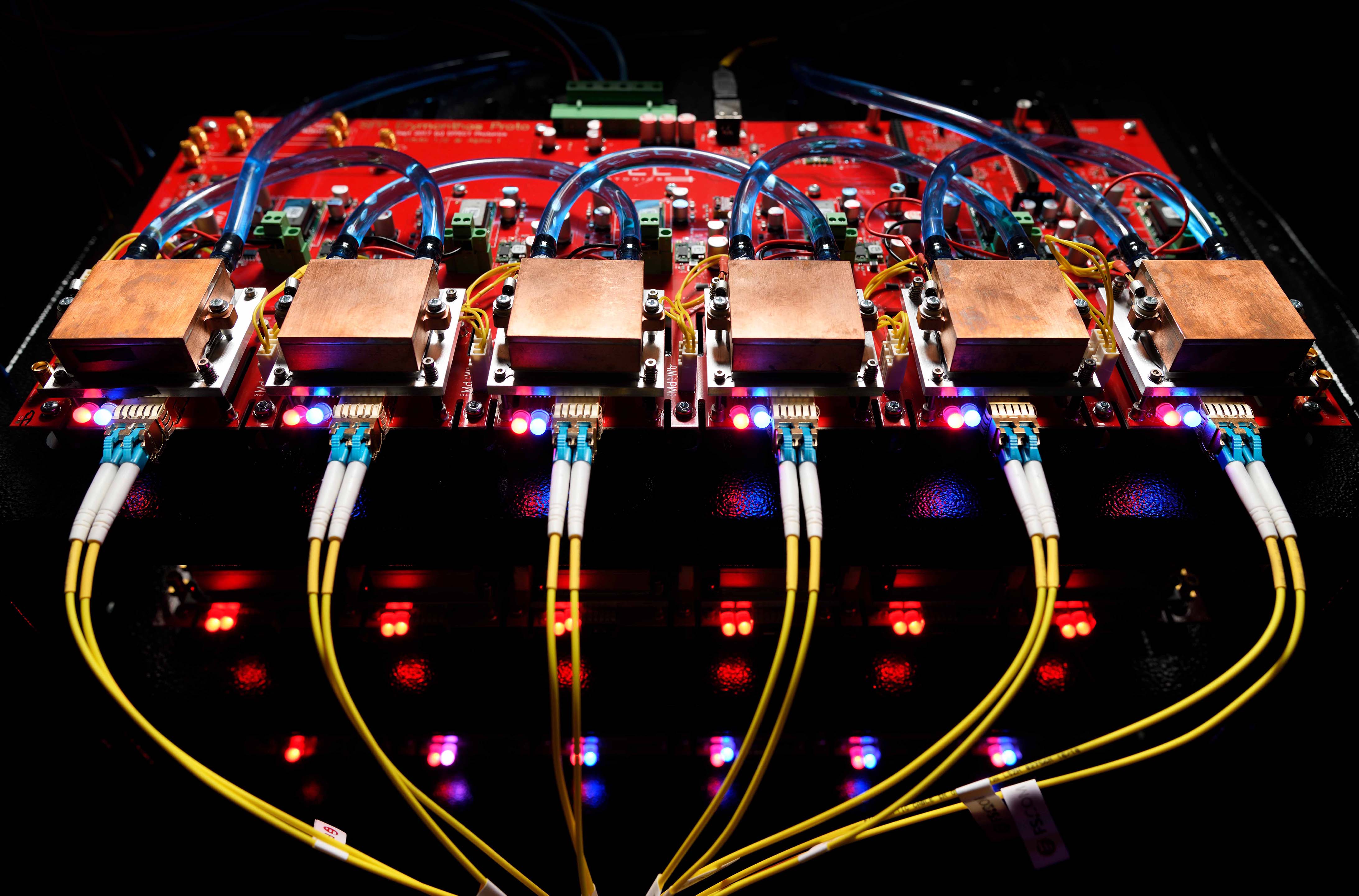
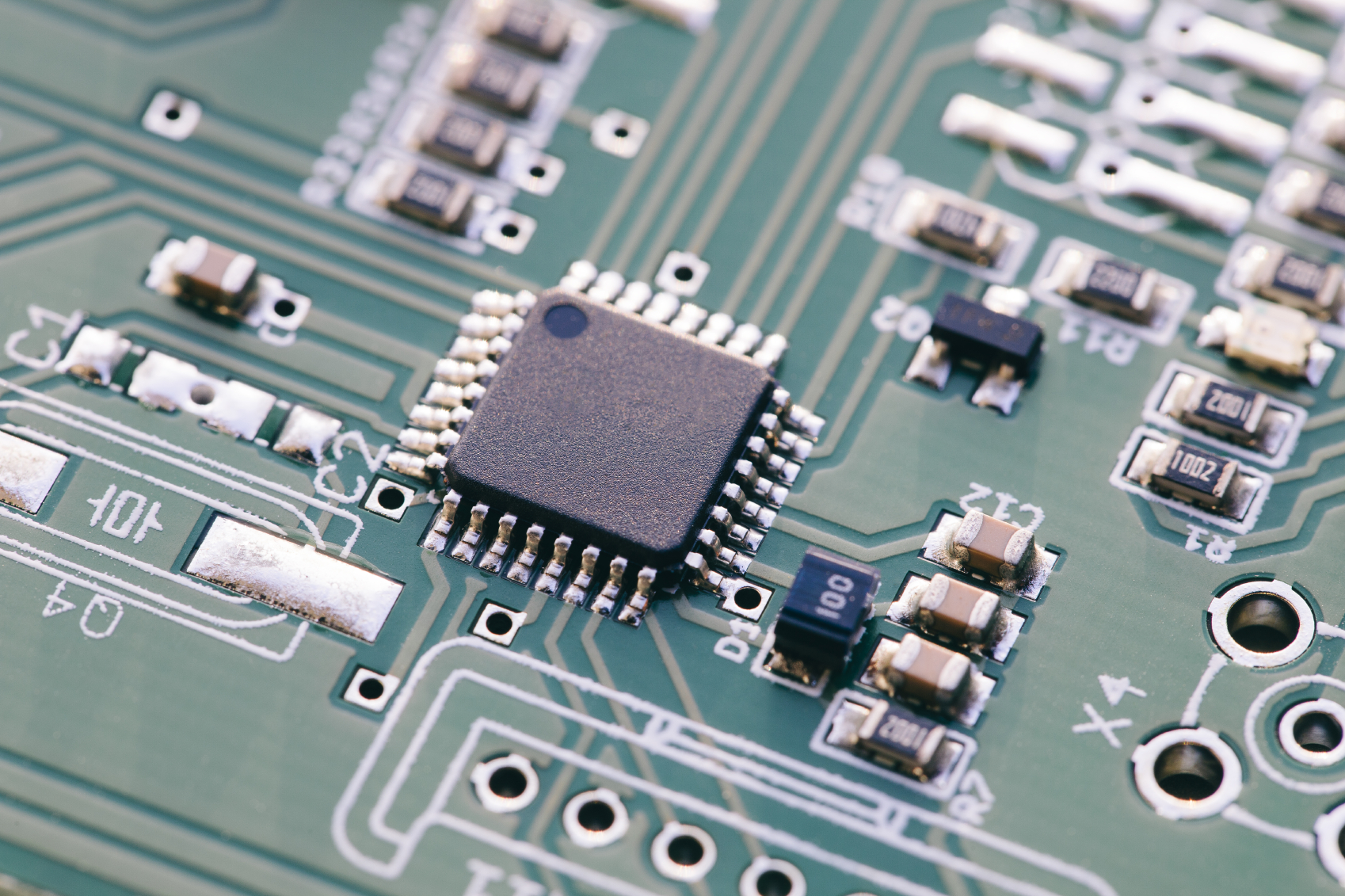
The Netherlands has established optical systems and integrated photonics as a crucial technology, as these are crucially important for our future earning potential and national security. Germany has done the same for microelectronics in general. The Netherlands and Germany are both advanced on integrated photonics and have well-developed ecosystems, especially on topics as Photonic Integrated Circuits (PICs), heterogeneous integration and advanced packaging.
Next to strengthening existing ties between ecosystems, such as the MoU between PhotonDelta, PhotonicsNL and OptecBB, the photonicscluster in region Berlin-Brandenburg, NIN Germany is undertaking a targeted exploration of opportunities to connect different pilot lines on photonic chips and packaging in these countries.
Quantum technologies
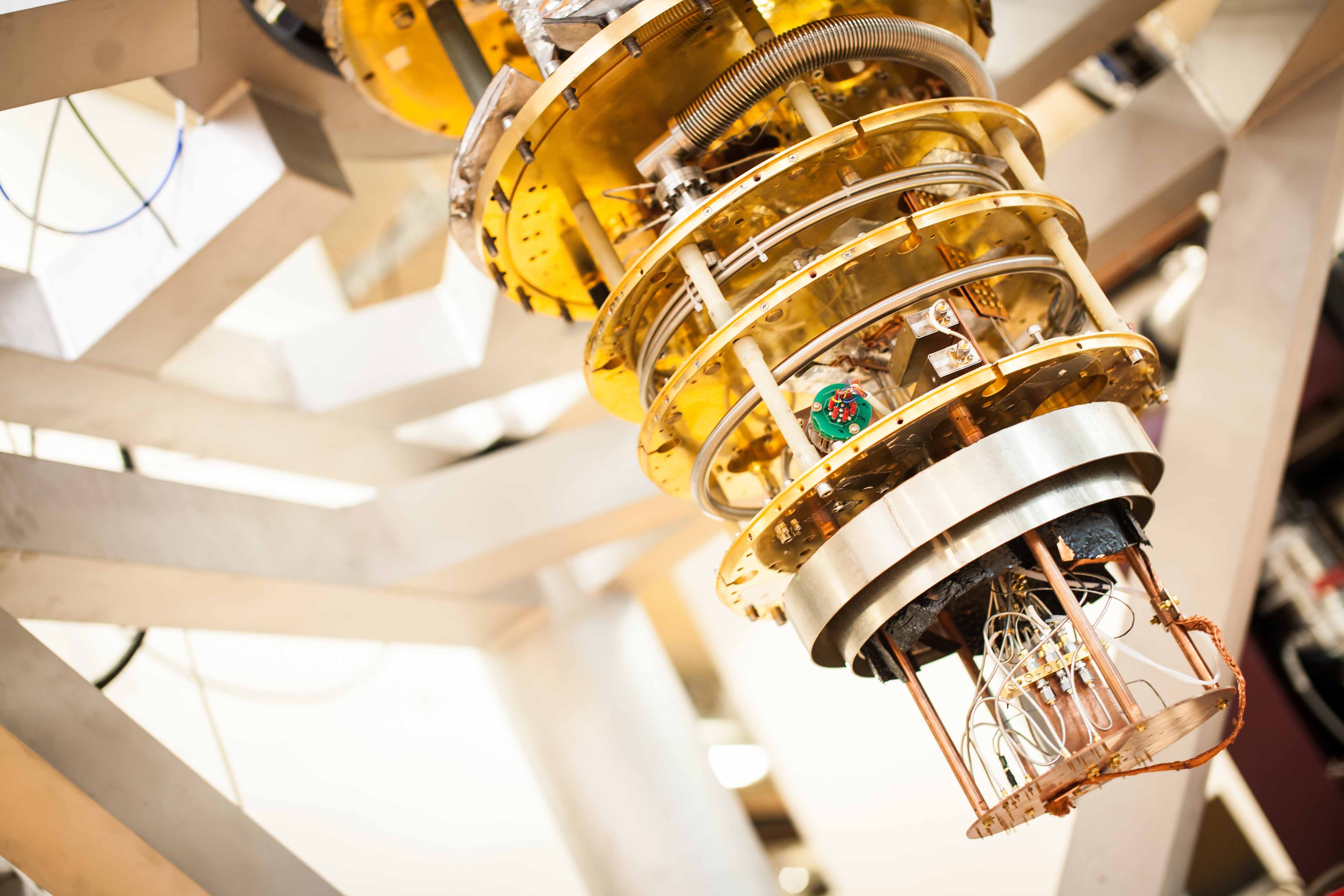
Dutch and German quantum technologies are among the most advanced in the world, within all three pillars of quantum computing, quantum communication and quantum sensing. Both countries have identified it as a key technology and are investing heavily in new developments. Working together on these topics is crucial to establish strategic autonomy and long-term earning power.
In 2025 an innovation mission took place to the southern states of Germany, Bavaria and Baden-Württemberg, on the topic of quantum technologies in aerospace applications. Following this mission, a TechBridge call was launched in 2026, encouraging cross-border collaboration of both companies and R&D institutes in this field.
Biomolecular and cell technologies
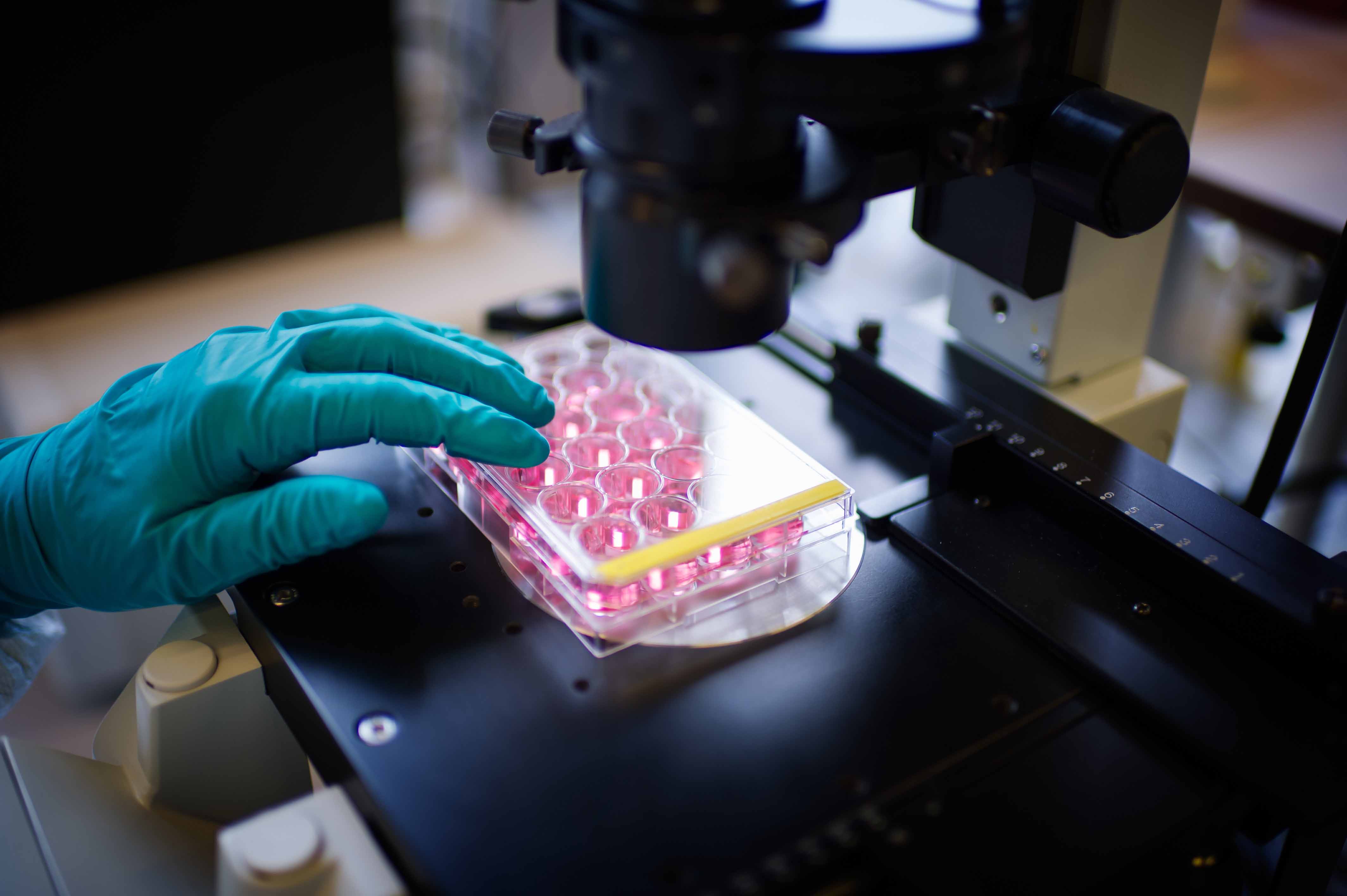
Germany and the Netherlands both have very strong research institutes, companies and clusters in red biotechnology. This area focuses on medical applications such as cell therapy, gene therapy, regenerative medicine, tissue engineering, biopharmaceuticals, organ-on-chip technology and the intersection of artificial intelligence with biomolecular research and generally AI applications for the medical field. German bio- and healthtech clusters such as BioM, BioRN or Health Capital Berlin-Brandenburg are especially strong in Germany.
Biomedical innovation needs strong partnerships, especially with the pharmaceutical industry. Bayer and Boehringer Ingelheim are important players in the pharma sector and Germany also offers high expertise in production and manufacturing on an industrial level, which is important for scaling up biomedical innovation and bringing it to the market. The Netherlands is highly regarded for its vibrant life sciences ecosystem and strong private-public partnerships and consortia such as RegMedXB, Oncode and HealthRI. Scientifically, both countries place a lot of emphasis on cell and gene therapy, regenerative medicine, bioprocessing and the intersection of AI with biotechnology.
Aerospace
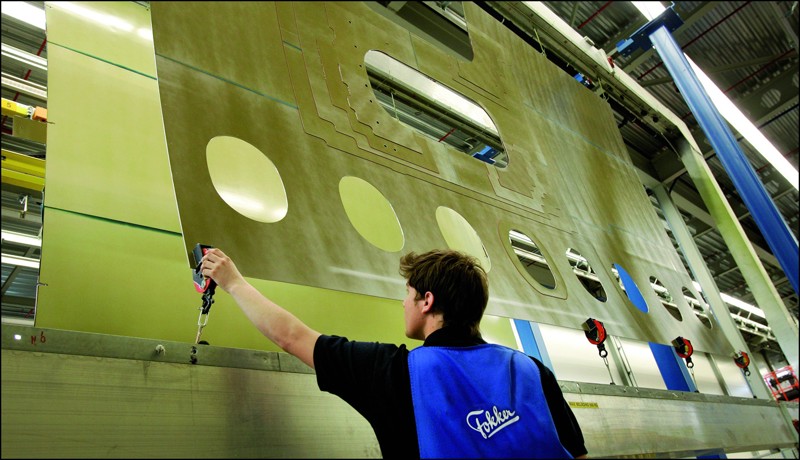
Germany and the Netherlands share the same ambitions and strategic goals regarding innovation and sustainable development for a competitive, future-proof aviation industry and the importance of strategic autonomy. The Dutch Growth Fund Program Aviation in Transition (LiT) and the German innovation program LuFo consistently focusing on technologies that contribute to increasing competitiveness and reducing the climate impact of air transport.
Cooperation between German and Dutch stakeholders in the aviation sector has deepened further in recent years, both within the industry and in the fields of research and innovation. The German-Dutch wind tunnels are a prime example of this. For over 50 years, we collaborate intensively in the areas of testing capacity, knowledge exchange, and developments for aviation, aerospace, and automotive applications.
Within the German LuFo scheme and the Dutch TSH programs, you also see that Dutch and German companies and research institutions are increasingly collaborating on innovative aviation technologies and making the sector more sustainable. Another example is a joint innovation programme “Quantum in Aerospace”, which illustrates how the Netherlands and Germany are also collaborating more broadly on the aviation of the future.
Battery technologies
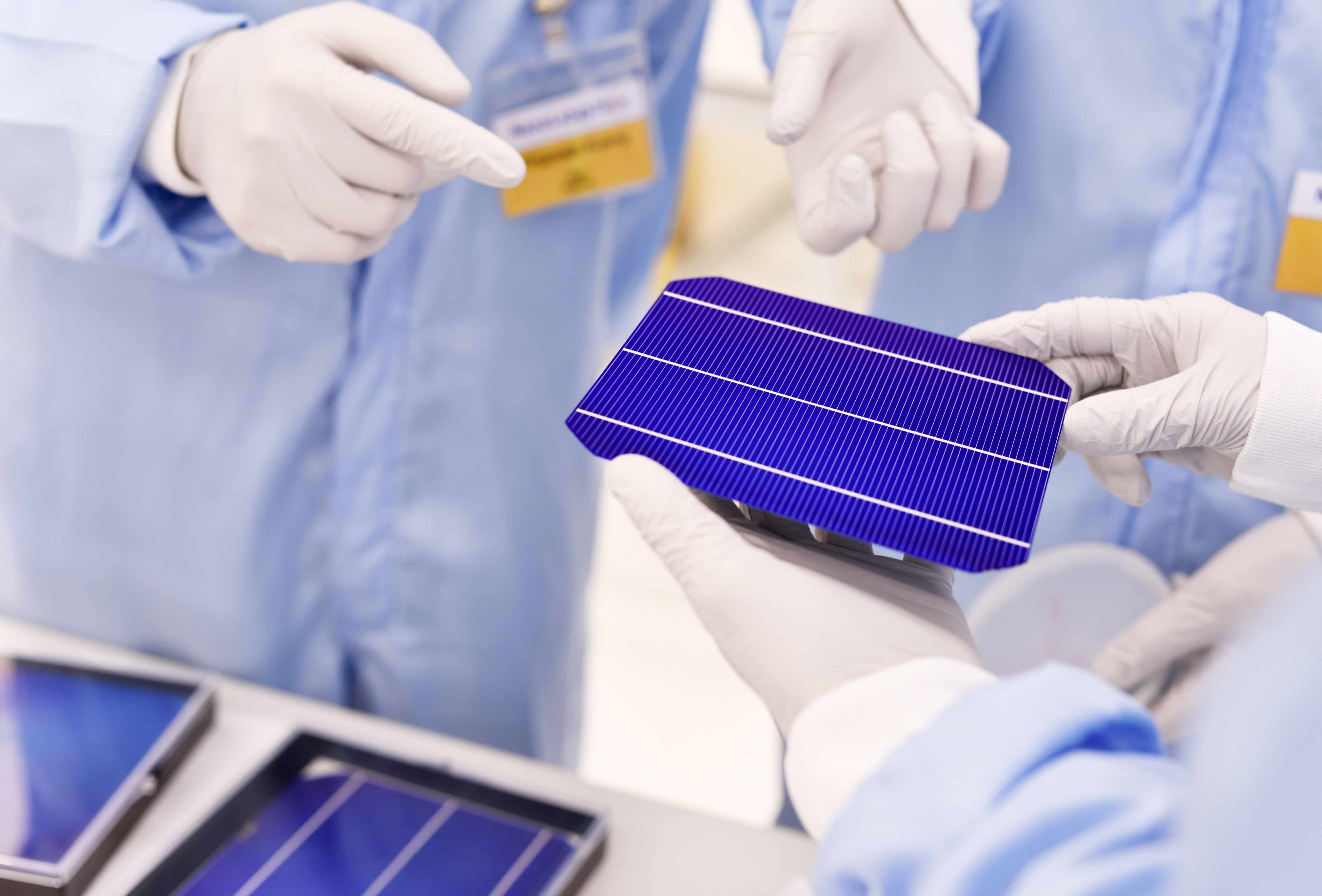
The Netherlands aims to build a strong European battery value chain. To this end, the Netherlands is focusing on specific links in the value chain that align with Dutch strengths. Through collaboration, we want to ensure that Dutch activities integrate seamlessly with those in other EU countries, particularly Germany and France. Germany’s expertise — including in the field of mechanical engineering — aligns very well with Dutch expertise, which is why we see great potential in close collaboration on battery innovation.
The Netherlands aims to position itself particularly in the areas of 1) recycling and second use, 2) next-generation battery cells, components, materials, and equipment; 3) applications for heavy transport (road transport, maritime, aviation); 4) applications for grid stabilization, and 5) data, safety, and testing. The national battery program, the MICB program, has a value of approximately €750 million, of which €290 million is government funding, and is implemented by the Battery Competence Cluster-NL (BCC-NL).
Semiconductor technologies
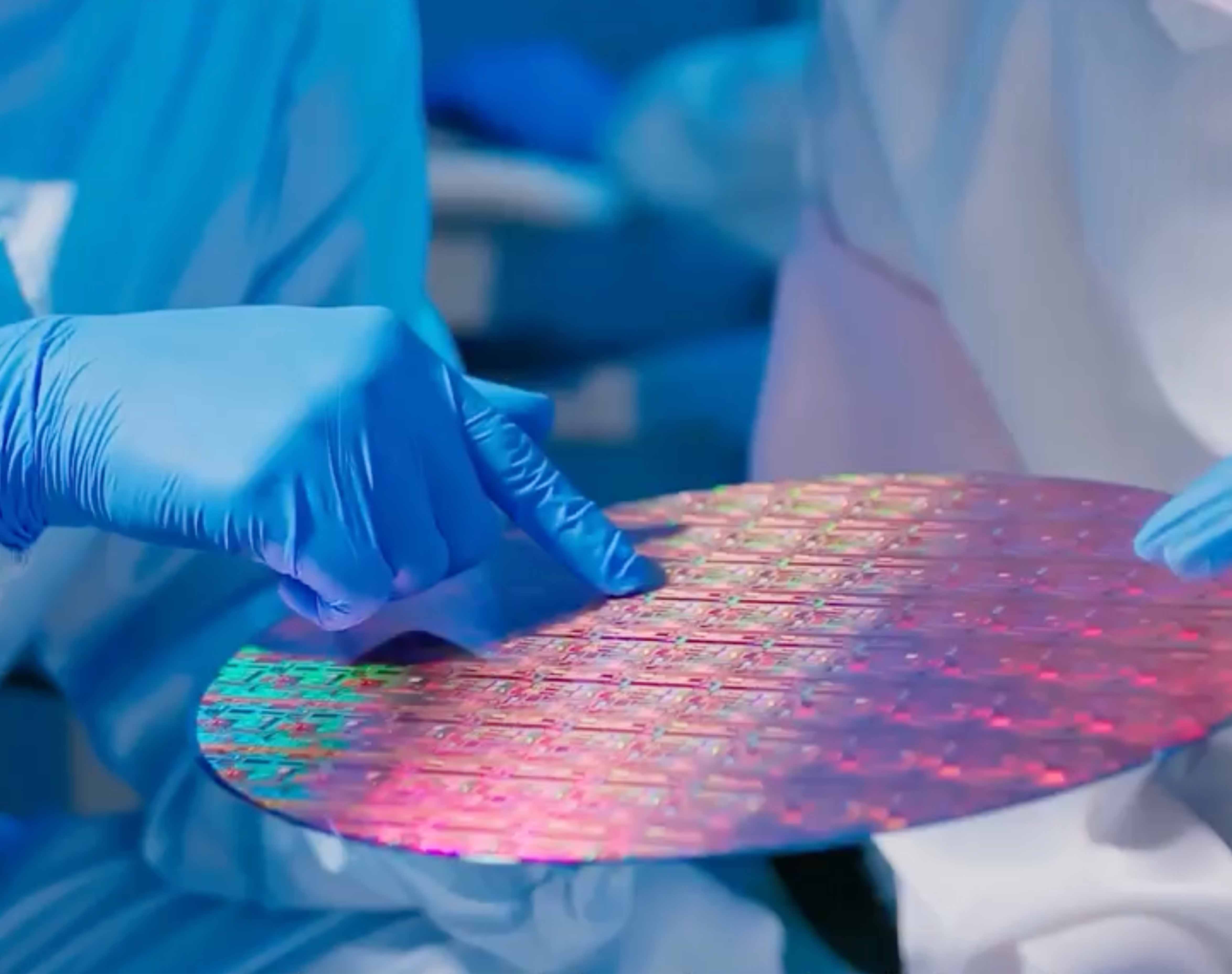
Germany and the Netherlands are among Europe’s leaders in the semiconductor industry. The Netherlands excels in chipmaking equipment through ASML, whose lithography systems are essential for advanced chip production worldwide. Germany has strong research and development in advanced packaging and design, and manufacturing capabilities, led by Fraunhofer and companies such as Infineon and ESMC.
Cooperation between the two countries is expanding rapidly. Both are key members of the European semiconductor alliance, working together to boost innovation, manufacturing capacity, and talent development. Dutch expertise in lithography, machinery and photonic integration perfectly complements German strengths in advanced packaging, heterogeneous integration and production. Joint research, resilient supply chains, and cross-border education are helping to reinforce Europe’s strategic autonomy. Looking ahead, the focus will be on photonic integration by linking the Dutch and German EU Joint Undertaking Pilot Lines.