
About us - Netherlands Innovation Network
The Netherlands Innovation Network in Japan stimulates international cooperation between Dutch and Japanese companies, research institutes and public authorities in the fields of innovation and technology. Our activities help implement the international knowledge and innovation agenda of the Dutch government. Our network in Japan has a long-term agenda focused on innovation in areas such as (integrated) photonics, quantum technologies, Artificial Intelligence and data and semiconductor technologies.
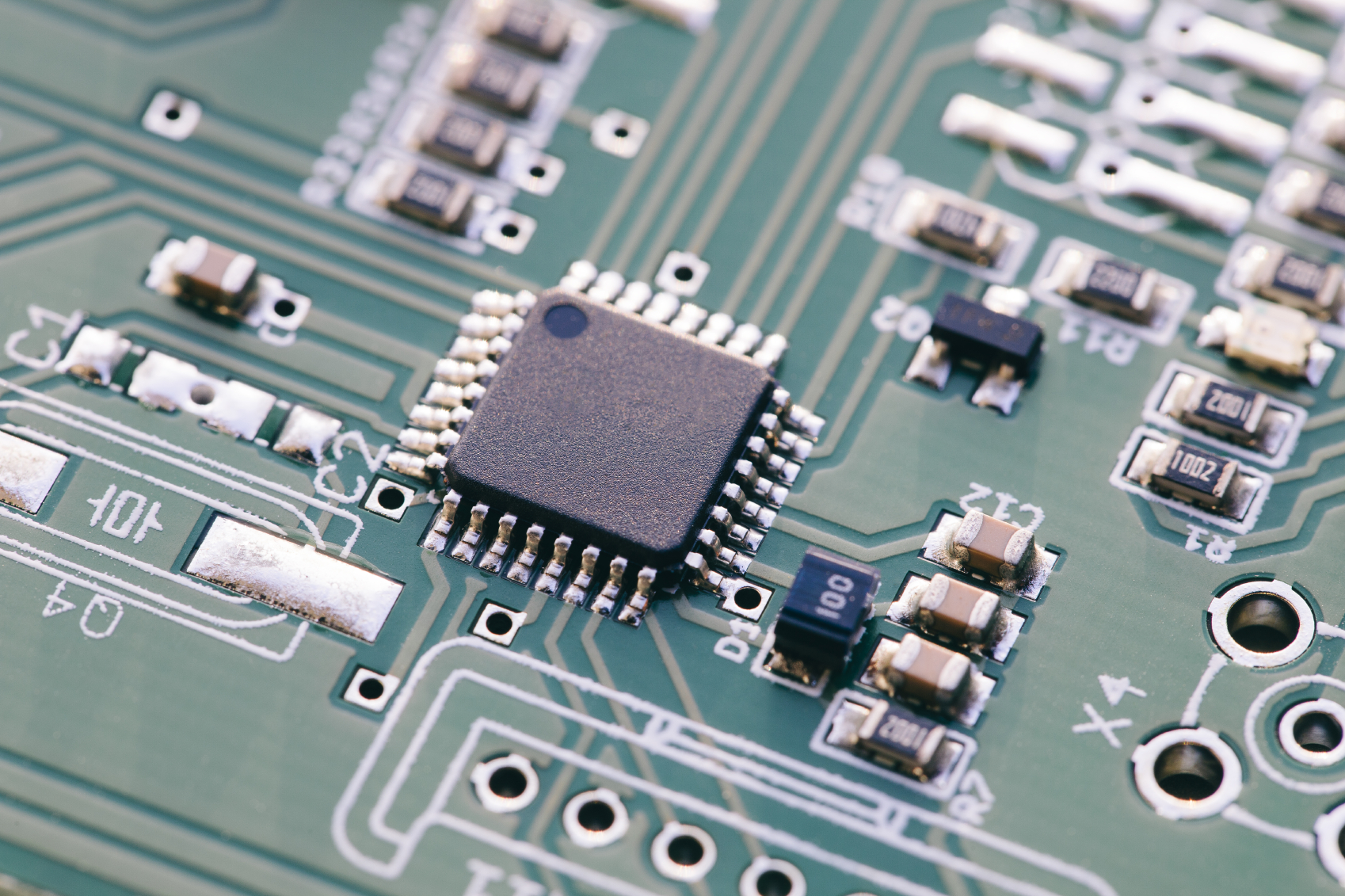
(integrated) Photonics
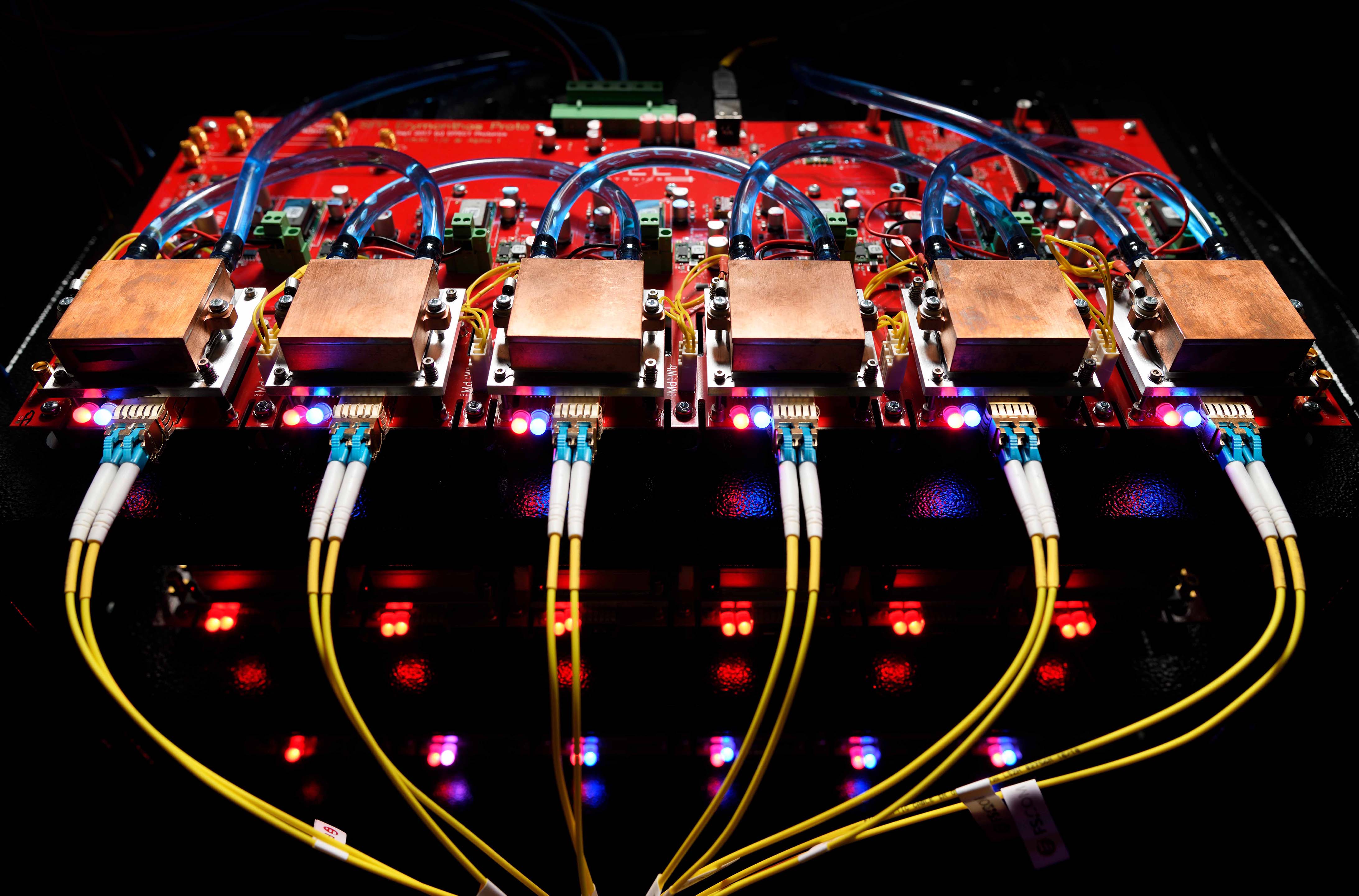
The Netherlands and Japan both regard photonics as a strategic technology essential for future digital infrastructure, economic resilience, and technological sovereignty. Japan possesses world-leading strengths in optical communications, advanced materials, precision manufacturing, and photonics-enabled devices, while the Netherlands has built a globally recognized ecosystem in integrated photonics and Photonic Integrated Circuits (PICs).
Both countries are actively exploring photonics applications in AI infrastructure, All-Photonics Networks (APN), IOWN, and future 6G communication systems. Japan is also investing in silicon photonics, optical interconnects, and optical quantum technologies as part of its Green Growth and economic security strategies.
Over recent years, the Netherlands Innovation Network in Tokyo has actively strengthened Dutch-Japanese collaboration through innovation missions, ecosystem mapping, conferences, and strategic matchmaking, positioning the Netherlands as a trusted partner within Japan’s rapidly evolving photonics and deeptech ecosystem.
Quantum technologies
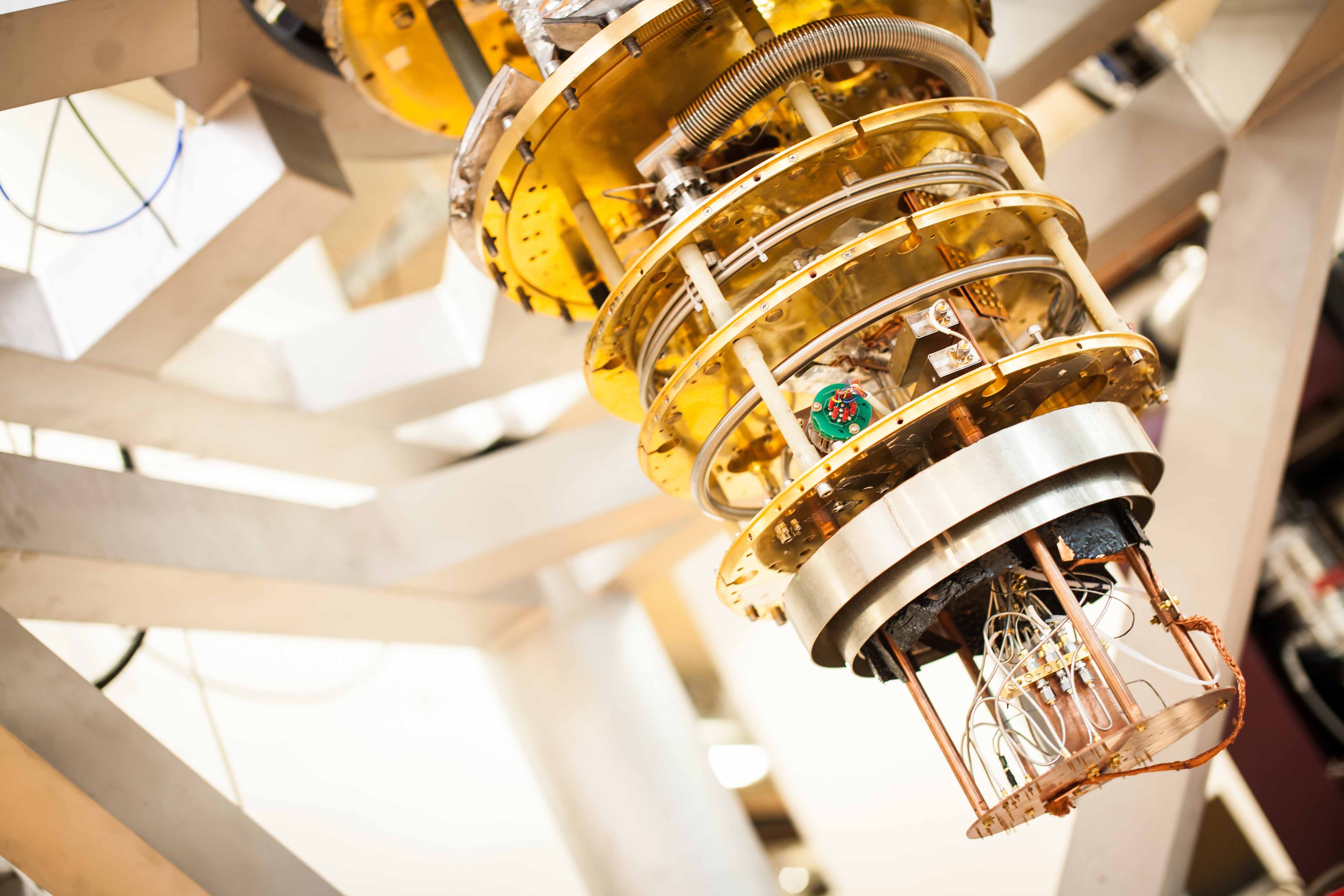
The Netherlands and Japan share a highly aligned strategic vision in quantum technologies. The Dutch ecosystem focuses on quantum computing, communication, sensing, manufacturing, and applications, while Japan prioritizes computing, secure networks, sensing, metrology, and advanced materials.
Both countries are increasingly transitioning from laboratory research toward industrial deployment and practical applications, creating growing opportunities for international collaboration across the quantum value chain. Japan is positioning itself as a global leader in translating quantum technologies into societal and industrial applications through strong government support and close collaboration between industry and academia.
Over recent years, the Netherlands Innovation Network (NIN) in Tokyo has actively strengthened Dutch-Japanese quantum ties through innovation missions, ecosystem mapping, conferences, and strategic matchmaking, positioning the Netherlands as a trusted partner within Japan’s rapidly evolving quantum ecosystem.
Artificial Intelligence and data

Japan and the Netherlands are deepening cooperation in artificial intelligence through a shared focus on innovation, sustainability, and responsible technology development. Both countries support a human-centric approach to AI, emphasizing transparency, trust, and positive societal impact.
Japan contributes strong expertise in robotics, advanced manufacturing, mobility, and digital infrastructure, while the Netherlands is known for its innovative startup ecosystem and strengths in applied AI. Dutch expertise is particularly visible in sectors such as semiconductors, agriculture, healthcare, logistics, and climate technology.
Collaboration between companies, universities, research institutes, and governments in both countries is creating opportunities for joint research, business partnerships, and talent exchange. Together, Japan and the Netherlands are working on practical AI solutions that can help address global challenges, including aging populations, sustainable growth, resilient supply chains, and energy transition.
Semiconductor technologies
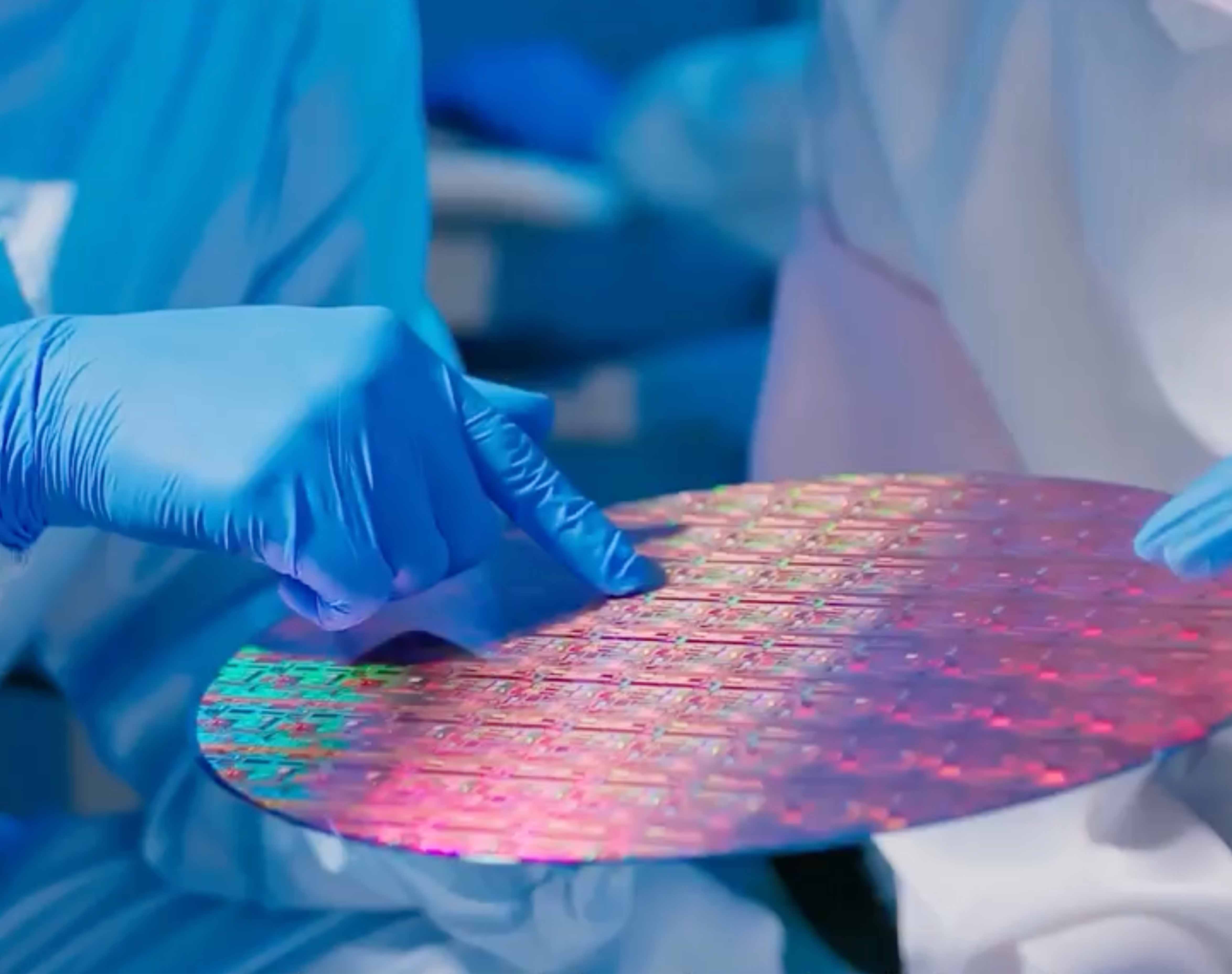
Both the Netherlands and Japan occupy pivotal positions in the global semiconductor supply chain. Through its EUV technology, ASML holds a near-monopoly in lithography, rendering the Netherlands strategically indispensable at the frontier of chip manufacturing. Japan, meanwhile, commands critical strengths in front-end process equipment, silicon substrates, and specialty materials — capabilities equally difficult to substitute.
Where Dutch policy focuses on reinforcing this strategic indispensability, Japan is pursuing a more expansive ambition: moving beyond its existing strengths toward full-stack strategic autonomy, encompassing advanced logic fabrication through Rapidus, chip design, and Physical AI. Achieving this requires active international partnership. This creates a compelling collaboration dynamic: alongside deepening cooperation on next-generation manufacturing technology, there is genuine blue-ocean potential in co-developing emerging spaces such as AI-driven semiconductor applications.