
Our focus - Netherlands Innovation Network
The Netherlands Innovation Network in Brazil stimulates international cooperation between Dutch and Brazilian companies, research institutes and public authorities in the fields of innovation and technology. Our activities help implement the international knowledge and innovation agenda of the Dutch government. Our network in Brazil has a long-term agenda focused on innovation in areas such as process technologies and energy materials.

Process technologies
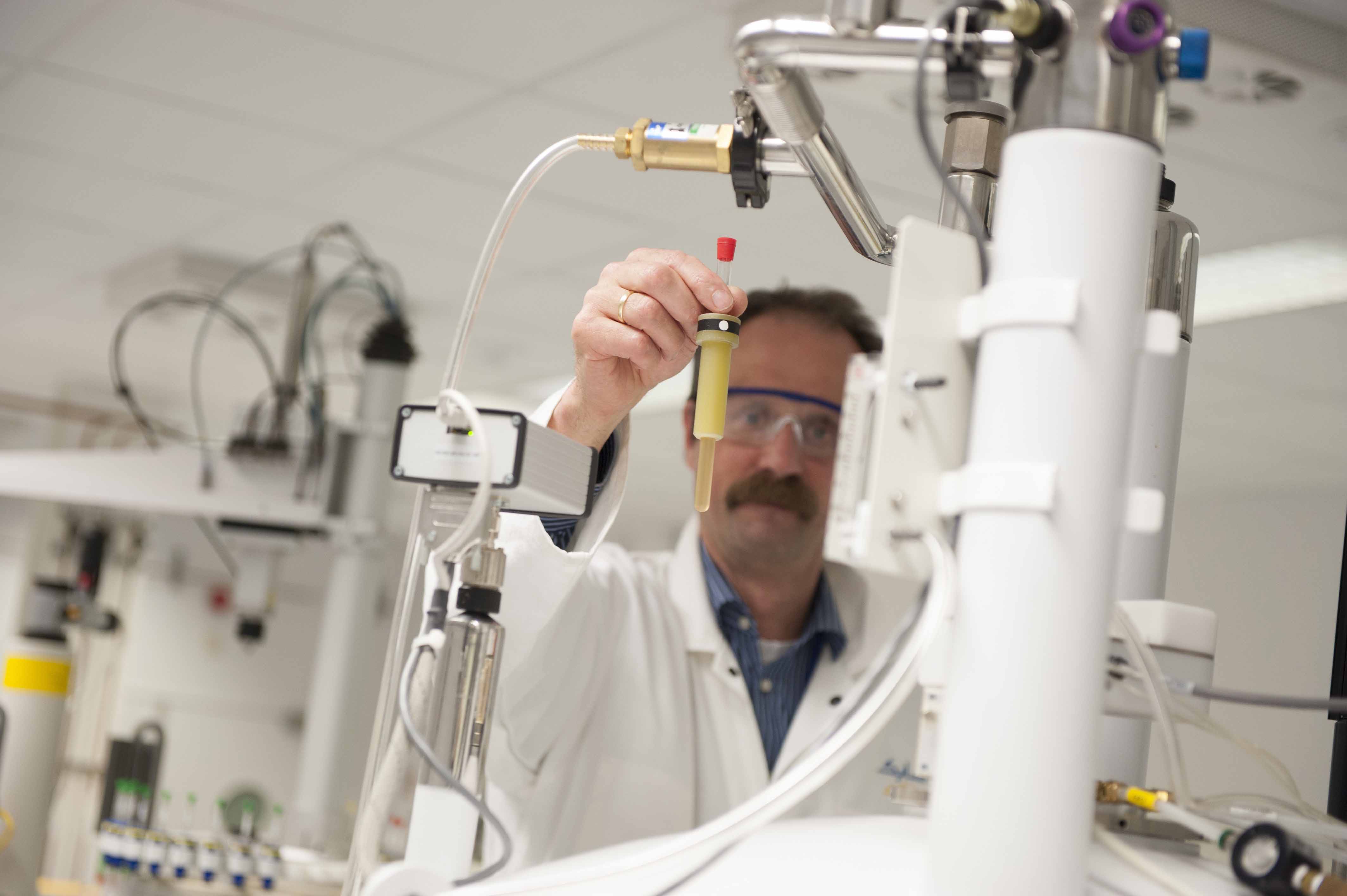
Brazil’s history of process technology kickstarted in the 1970s when it revised its energy strategy as a response to the oil crisis. This increased bio-based ethanol production, making Brazil the largest producer of sugarcane based ethanol (30 billion Liters of sugarcane ethanol annually), thanks to its ideal climate and agro-industrial complex.
There are many opportunities for innovation collaboration between the Netherlands and Brazil in upstream and downstream process technologies, creating platform chemicals, biofuels and biomaterials, with ample Dutch expertise from technology institutes like TNO, universities and companies in valorization of bio-based molecules. However, processing feedstocks like sugarcane, corn and sorghum to alcohols, are only a part of the picture. Used cooking oils, vegetable oils and animal fats, are being researched for the production of biofuels. For example, soy oil co-processing for the production of Sustainable Aviation Fuel (SAF) in Brazil.
Energy materials
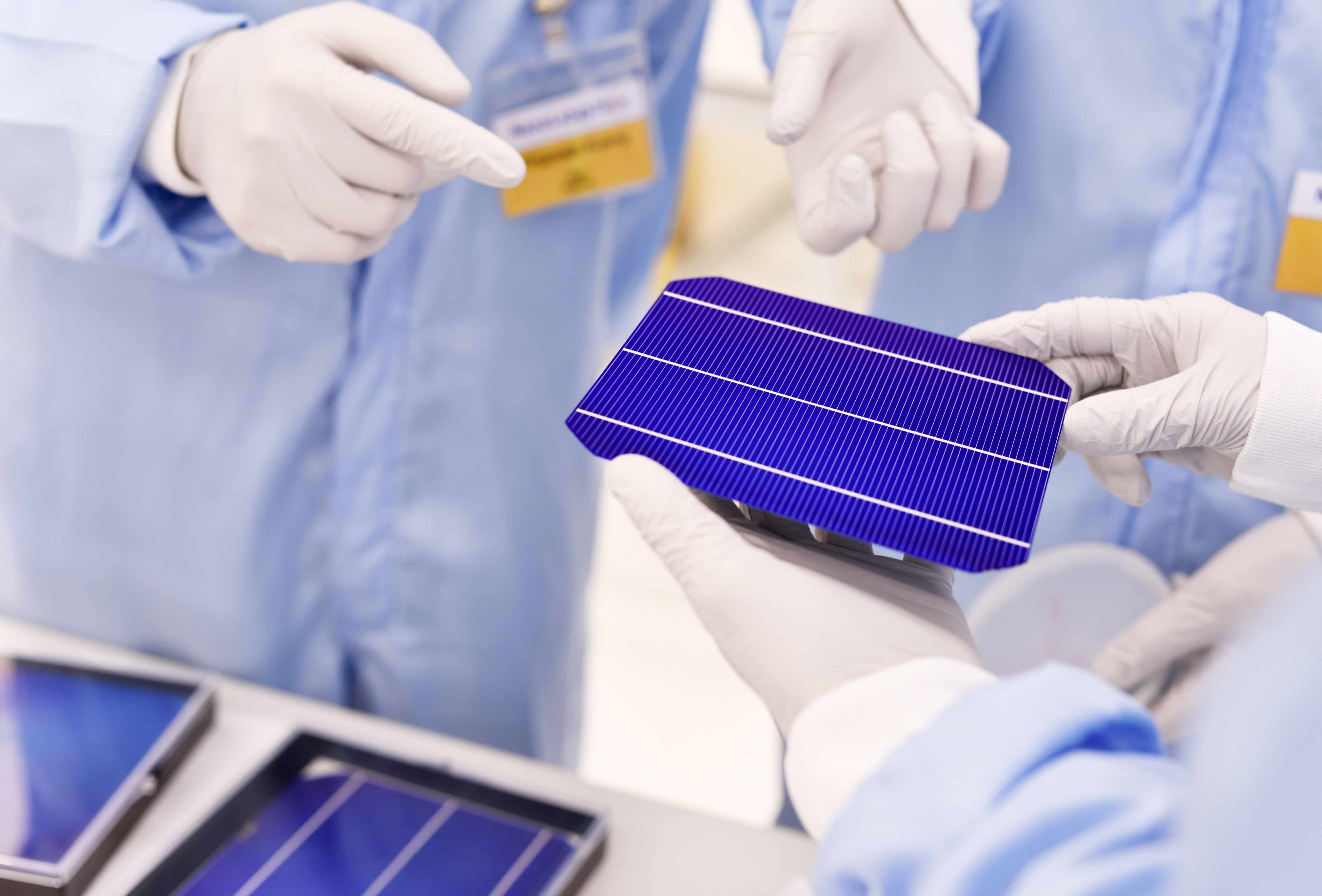
Brazil develops catalytic, electrolytic, fuel cell and battery technologies. Brazil generates electricity through various low-carbon sources: hydropower, biomass, wind, solar, nuclear, providing the country with 84,6% renewable electricity.
To transform these electrons into energy carriers, Brazil envisions developing large-scale electrolysis primarily in the Northeast, where the electricity is over 90% renewable, compliant with EU regulations (RED III). This provides opportunities for co-development and massive scaling up of green hydrogen. Furthermore, hydrogen and biomass (renewable carbon) will be used to produce e-fuels like e-methanol and e-SAF for which Process and Energy Materials Technologies will be combined. Dutch expertise in R&D and industrial demand go hand-in-hand in the partnership with Brazil.